Sewers, Hand in California
Want to work as a Sewers, Hand in California? Here’s what you need to know. Sew, join, reinforce, or finish, usually with needle and thread, a variety of manufactured items. Includes weavers and stitchers.
What do Sewers, Hand Make in California?
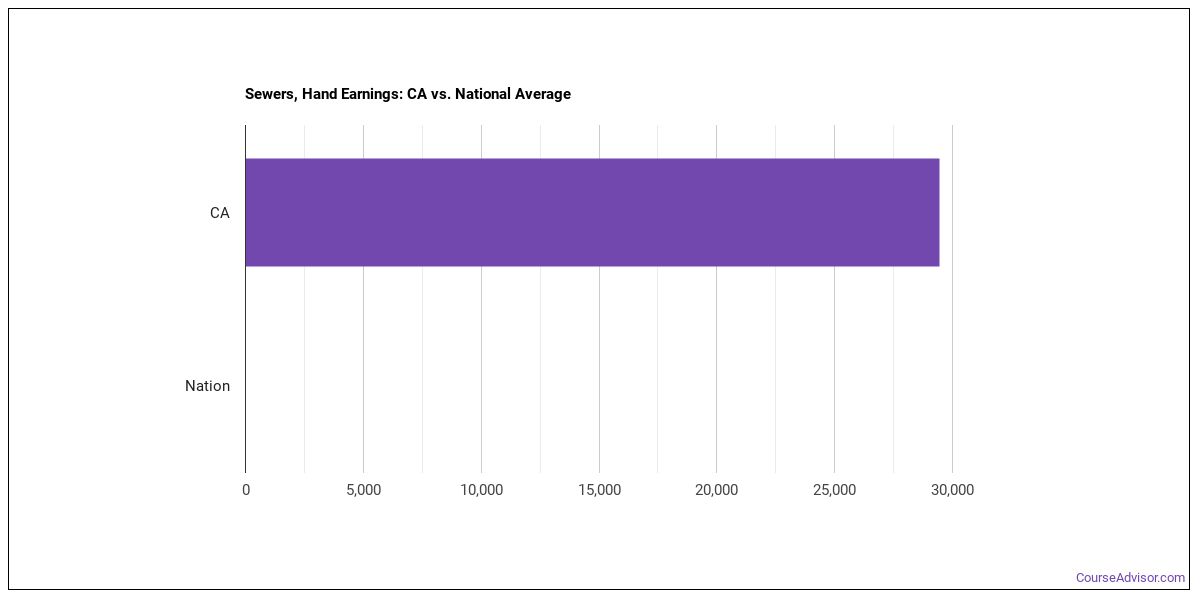
The sewers, hand working in California, the typical annual salary is $35,550 per year (or about $17.09/hour).Earnings range from $33,280 at the 10th percentile to $47,480 at the 90th percentile.
| Wage Statistic | Annual | Hourly |
|---|---|---|
| 10th percentile | $33,280 | $16.00 |
| 25th percentile | $33,280 | $16.00 |
| Median (50th) | $35,550 | $17.09 |
| 75th percentile | $45,680 | $21.96 |
| 90th percentile | $47,480 | $22.83 |

Location quotient — how concentrated this career is in California compared to the national average — is 0.58, indicating fewer sewers, hand per worker than the national average.
National Wage Comparison
Nationally, sewers, hand earn a median of $32,793 per year ($15.77/hour), above the California median.
Employment Outlook
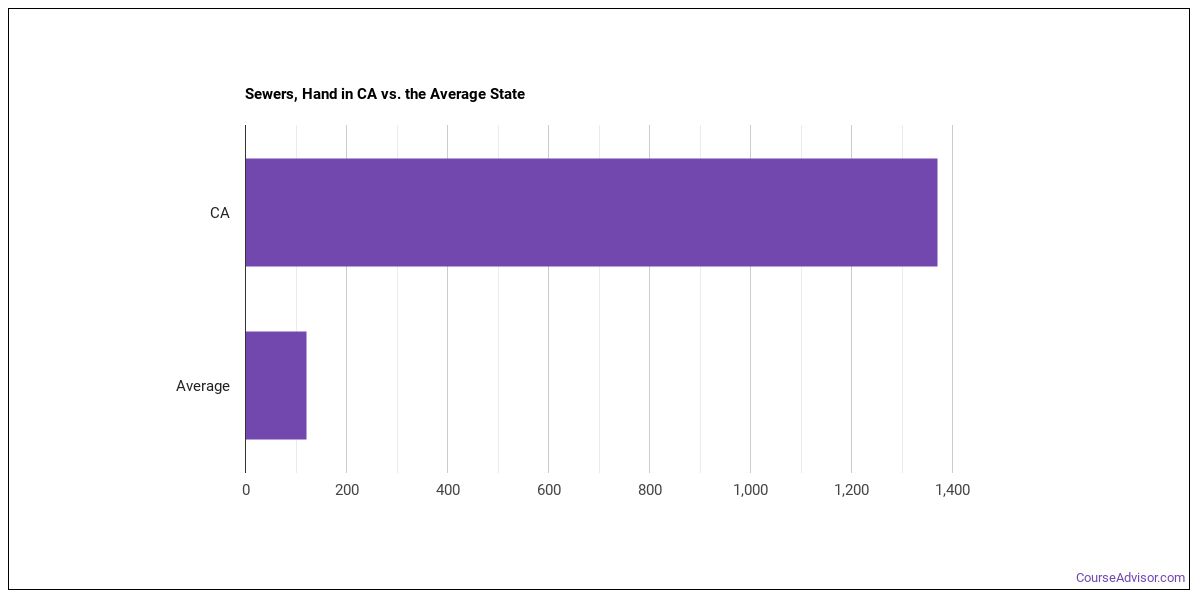
National employment for 856,020 sewers, hand nationwide. In California alone, around 150 people work in this role. That puts the state above the typical state, which employs around 80 sewers, hand.

Top States for Sewers, Hand Employment
These states have the highest employment of sewers, hand work.
| State | Number Employed |
|---|---|
| Texas | 250 |
| New York | 220 |
| Pennsylvania | 220 |
| Florida | 190 |
| Illinois | 170 |
| California | 150 |
| Georgia | 80 |
| Mississippi | 70 |
| Massachusetts | 60 |
| North Carolina | 60 |
| Missouri | 60 |
| Maine | 50 |
| Colorado | 40 |
| Ohio | 30 |
Highest-Paying States for Sewers, Hand
These states pay the most for sewers, hand.
| State | Annual Median Salary |
|---|---|
| Colorado | $44,090 |
| Georgia | $39,400 |
| Indiana | $38,710 |
| New York | $36,260 |
| Florida | $36,090 |
| California | $35,550 |
| Illinois | $34,000 |
| Massachusetts | $33,430 |
| North Carolina | $33,310 |
| Pennsylvania | $32,790 |
Skills
The most important sewers, hand skills, rated on an importance scale of 0 to 5:
Knowledge Areas
Key knowledge areas for this occupation, rated on an importance scale of 0 to 5:
Abilities
The abilities that matter most for sewers, hand, rated on an importance scale of 0 to 5:
Daily Tasks
Common tasks include:
- Select thread, twine, cord, or yarn to be used, and thread needles.
- Measure and align parts, fasteners, or trimmings, following seams, edges, or markings on parts.
- Trim excess threads or edges of parts, using scissors or knives.
- Sew, join, reinforce, or finish parts of articles, such as garments, books, mattresses, toys, and wigs, using needles and thread or other materials.
- Use different sewing techniques such as felling, tacking, basting, embroidery, and fagoting.
- Fit garments on clients, altering as needed.
- Smooth seams with heated irons, flat bones, or rubbing sticks.
- Draw and cut patterns according to specifications.
- Fold, twist, stretch, or drape material, and secure articles in preparation for sewing.
- Sew buttonholes, or add lace or other trimming.
- Tie, knit, weave or knot ribbon, yarn, or decorative materials.
Work Activities
- Controlling Machines and Processes
- Inspecting Equipment, Structures, or Materials
- Organizing, Planning, and Prioritizing Work
- Making Decisions and Solving Problems
- Assisting and Caring for Others
- Handling and Moving Objects
- Getting Information
- Identifying Objects, Actions, and Events
- Updating and Using Relevant Knowledge
- Communicating with Supervisors, Peers, or Subordinates
- Scheduling Work and Activities
- Monitoring Processes, Materials, or Surroundings
Tools & Technology
Common tools and software used in this occupation include: Hot technologies: Adobe Illustrator
Related Careers
Other careers like sewers, hand include:
- Aircraft Structure, Surfaces, Rigging, and Systems Assemblers
- Structural Metal Fabricators and Fitters
- Patternmakers, Metal and Plastic
- Print Binding and Finishing Workers
- Laundry and Dry-Cleaning Workers
- Pressers, Textile, Garment, and Related Materials
Also Known As
Alteration Specialist, Apparel Specialist, Bale Sewer, Baseball Hand Sewer, Beadworker, Casing Sewer, Cloth Bale Header, Clothier, Couturier, Custom Apparel Specialist, Custom Clothier, Custom Designer, Custom Seamstress, Embroidery Specialist, Fabric Specialist.
References
- U.S. Bureau of Labor Statistics, Occupational Employment and Wage Statistics — https://www.bls.gov/oes/
- O*NET Online — https://www.onetonline.org/
- BLS Employment Projections — https://www.bls.gov/emp/
- O*NET-SOC code: 51-6051.00

Course Advisor provides higher-education, college and university, degree, program, career, salary, and other helpful information to students, faculty, institutions, and other internet audiences. Presented information and data are subject to change. Inclusion on this website does not imply or represent a direct relationship with the company, school, or brand. Information, though believed correct at time of publication, may not be correct, and no warranty is provided. Contact the schools to verify any information before relying on it. Financial aid may be available for those who qualify. The displayed options may include sponsored or recommended results, not necessarily based on your preferences.
© Course Advisor – All Rights Reserved.